
Acupuncture: History, Research & Benefits
Acupuncture is an ancient Chinese practice that has been used for thousands of years and is now practised around the world. It involves inserting very fine needles at specific points on the body. Today, research continues to explore its effects, with evidence supporting its use for certain types of pain and more. Its benefits vary depending on the condition and the individual.

An Ancient Practice
Rooted in Traditional Chinese Medicine, acupuncture has evolved over centuries and is now used in many healthcare settings worldwide. It brings together traditional knowledge and contemporary clinical practice.
What Does Research Say?
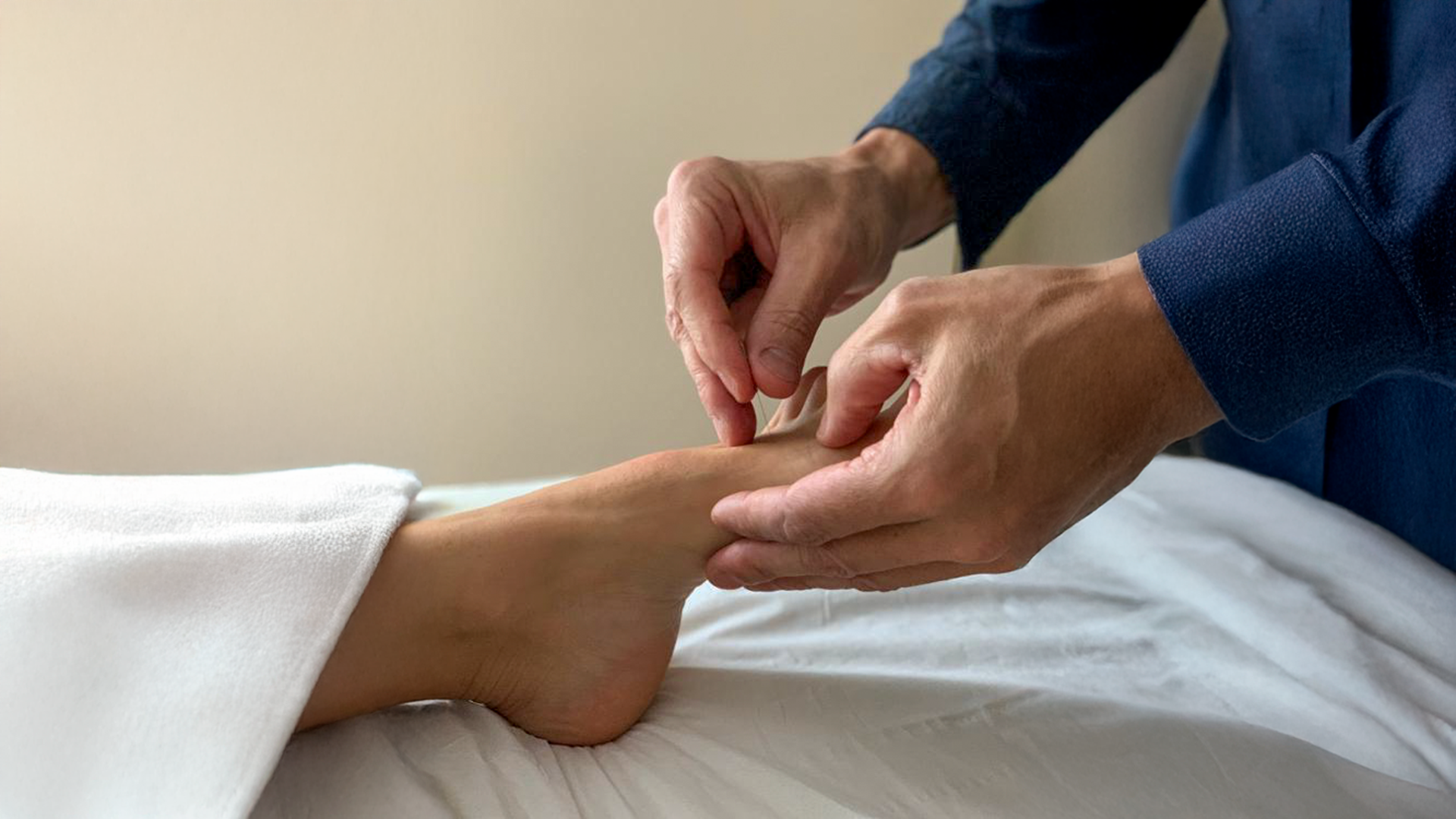
Modern research suggests acupuncture can help some people manage certain types of pain. Studies are also exploring how acupuncture may influence the nervous system and the way the body processes pain. Everyone responds differently, and the evidence varies depending on the condition.
Fine Needles, Safe Treatment
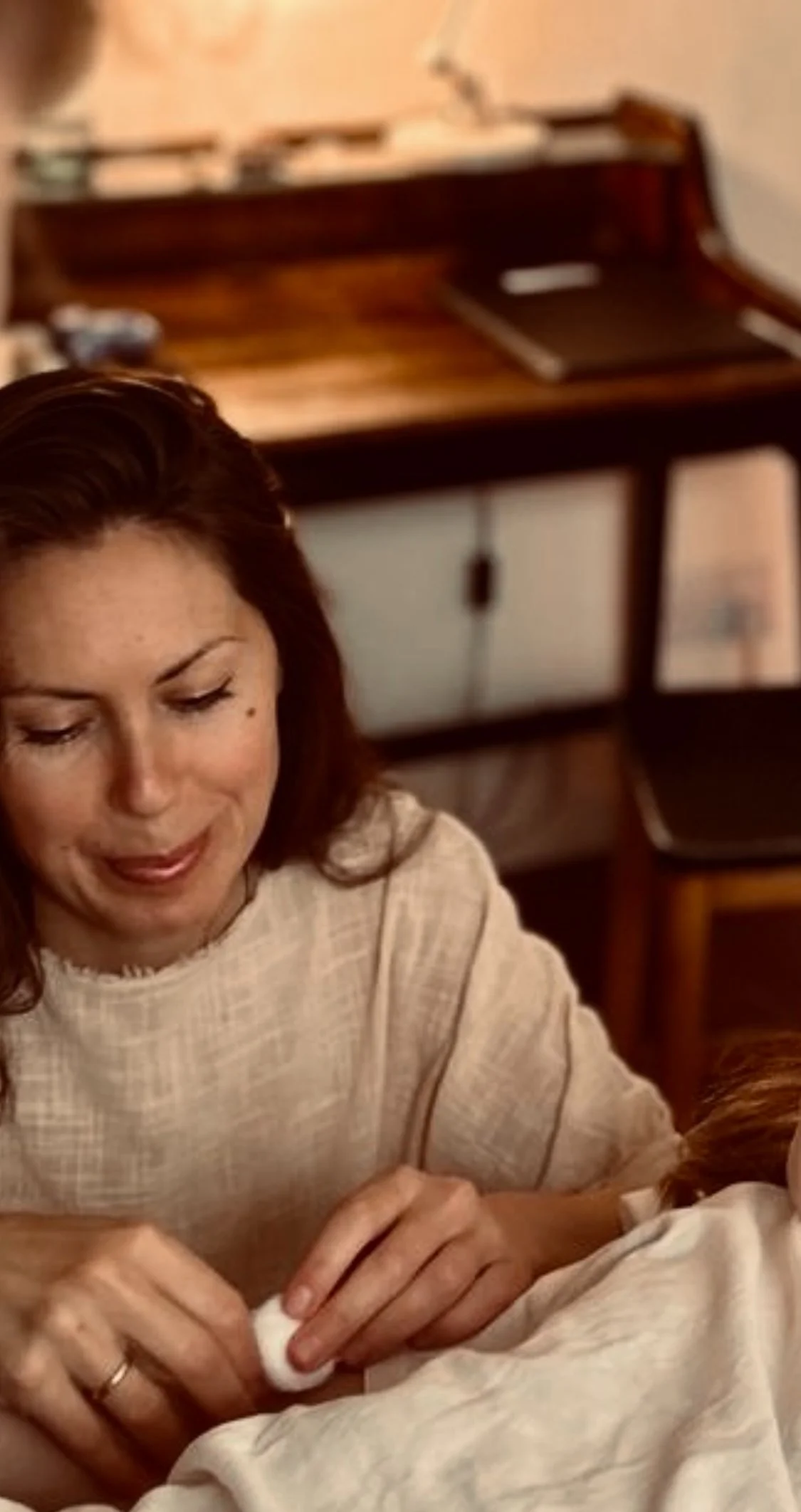
We use sterile, single-use, disposable acupuncture needles. These solid needles are very fine, with different sizes available to suit the treatment area and individual needs. All needles are safely discarded after use.
Depending on your individual needs, your practitioner may incorporate other Traditional Chinese Medicine techniques into your treatment, including cupping, Gua Sha, Tui Na, Moxibustion and Electroacupuncture.
We also use red and infrared light therapy as complementary approaches within our treatment methodology. While these are not Traditional Chinese Medicine techniques, they may be incorporated into your session where appropriate.
The techniques used will depend on your concerns, preferences and individual treatment plan.
Techniques We May Use Alongside Acupuncture
-

Tui Na
Tui Na is a traditional Chinese therapeutic massage and manual therapy used to address muscular tension, improve mobility and support physical balance. Rooted in the Chinese Medicine meridian system, it uses specific hands-on techniques and may be used on its own or alongside acupuncture, cupping and Gua Sha.
-

Cupping
Cupping is a traditional therapy used in Chinese Medicine and other healing traditions around the world. It involves placing cups on the skin to create gentle suction, which draws the skin upwards. Cupping may help ease muscular tightness and is sometimes used alongside acupuncture to complement treatment.
-

Gua Sha
Gua Sha is a traditional Chinese Medicine technique that uses a smooth-edged tool to gently scrape the skin in controlled strokes. It is commonly used to address muscular tension and discomfort, particularly around the neck, shoulders and back. In Chinese Medicine, Gua Sha is also associated with the concept of clearing “Heat” and addressing stagnation.
-

Moxibustion
Moxibustion is a traditional Chinese Medicine technique that uses the gentle heat of dried mugwort (Artemisia vulgaris) to warm specific points or areas of the body. Traditionally, it is used to warm the body's channels and support areas associated with Cold or depletion.
-

Electroacupuncture
Electroacupuncture is a form of acupuncture in which a mild electrical current is passed between selected acupuncture needles. This provides a gentle, controlled stimulation and may be used to complement treatment for certain types of pain and musculoskeletal concerns.
-

Red and Infrared Light Therapy
Red and infrared light therapy uses specific wavelengths of light as a complementary approach within treatment. Red and near-infrared light have been studied for their potential effects on cellular processes and their possible role in supporting recovery from certain musculoskeletal concerns. Research is ongoing, and the evidence varies depending on the condition and the type of device used.